- MP
- Blog
- Industry Insights
- Scaling AI Data Center Development
Strategic PMO capabilities to overcome key industry challenges
The surge in demand for computing power driven by AI has fundamentally reshaped the data center development landscape. Organizations are no longer executing isolated build projects; they are managing globally distributed portfolios of high-value, highly complex infrastructure programs all at an unprecedented rate of speed. This shift introduces significant challenges in coordination, capital deployment, and execution discipline.
From a portfolio perspective, three areas of capability consistently differentiate organizations that scale successfully: streamlined global portfolio management, operational scalability, and robust project controls. When these capabilities are developed in a structured manner, often supported by experienced project management partners, companies can achieve predictable and successful delivery that sustains a competitive advantage.
The modern challenges of AI-driven data center expansion
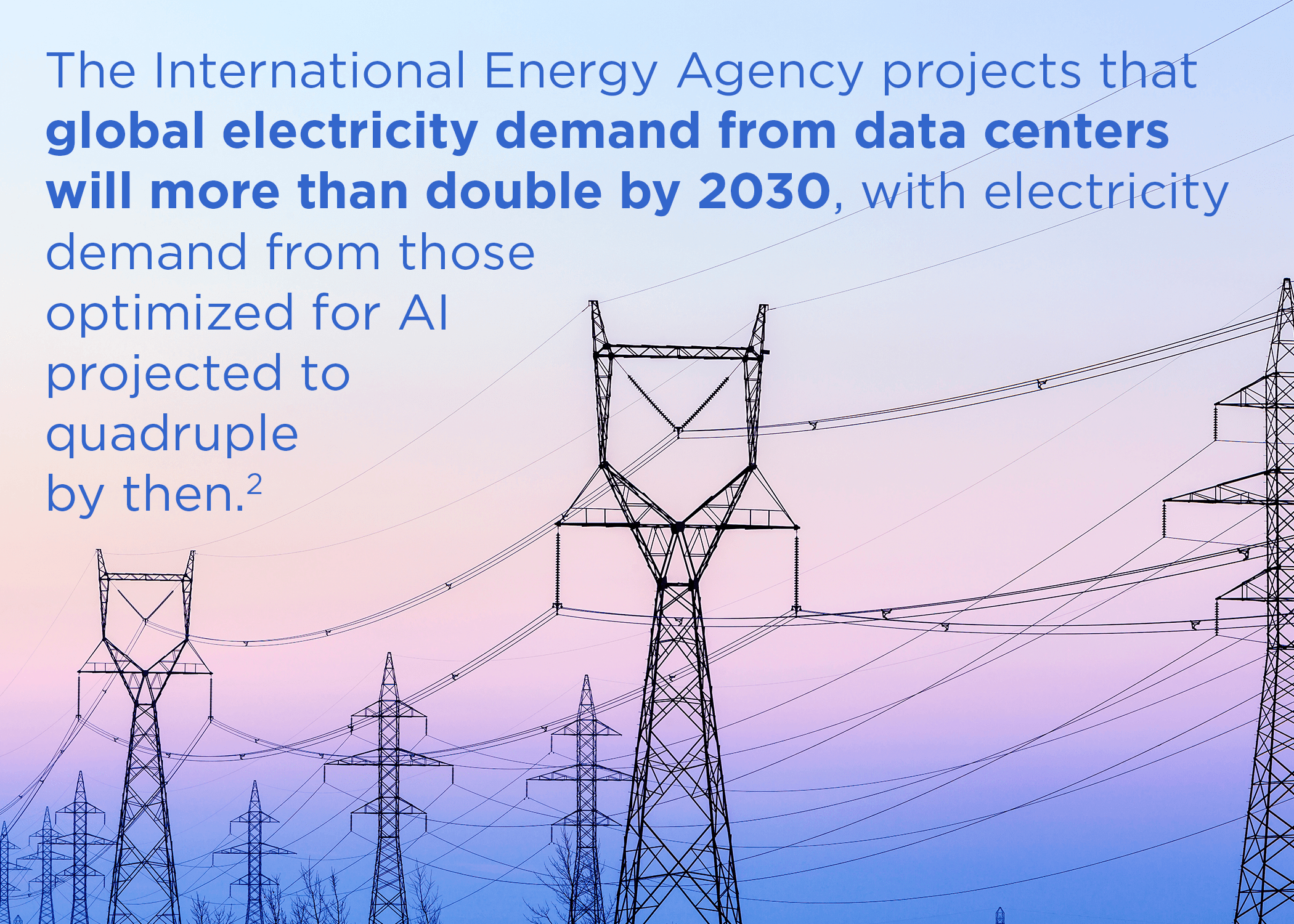
AI-driven data center expansion is accelerating rapidly due to increased demand; however, the physical and organizational infrastructure required to support it are unable to keep pace. Power availability has become one of the defining challenges of the market with 92% of industry leaders citing power constraints as a major obstacle and nearly half facing utility wait times exceeding four years.1
For data center developers in this market, the competitive advantage is their ability to manage and deliver complex portfolios at-scale and across international borders all while navigating energy constraints and long infrastructure lead times.
What may have once been managed as a series of individual projects now requires a coordinated global portfolio management framework that can align resources and executive decision-making across many simultaneous builds with differing utility ecosystems.
Consequently, as the portfolio grows into a multi-billion-dollar commitment, small delays quickly compound to affect timing and revenue across the entire delivery pipeline.
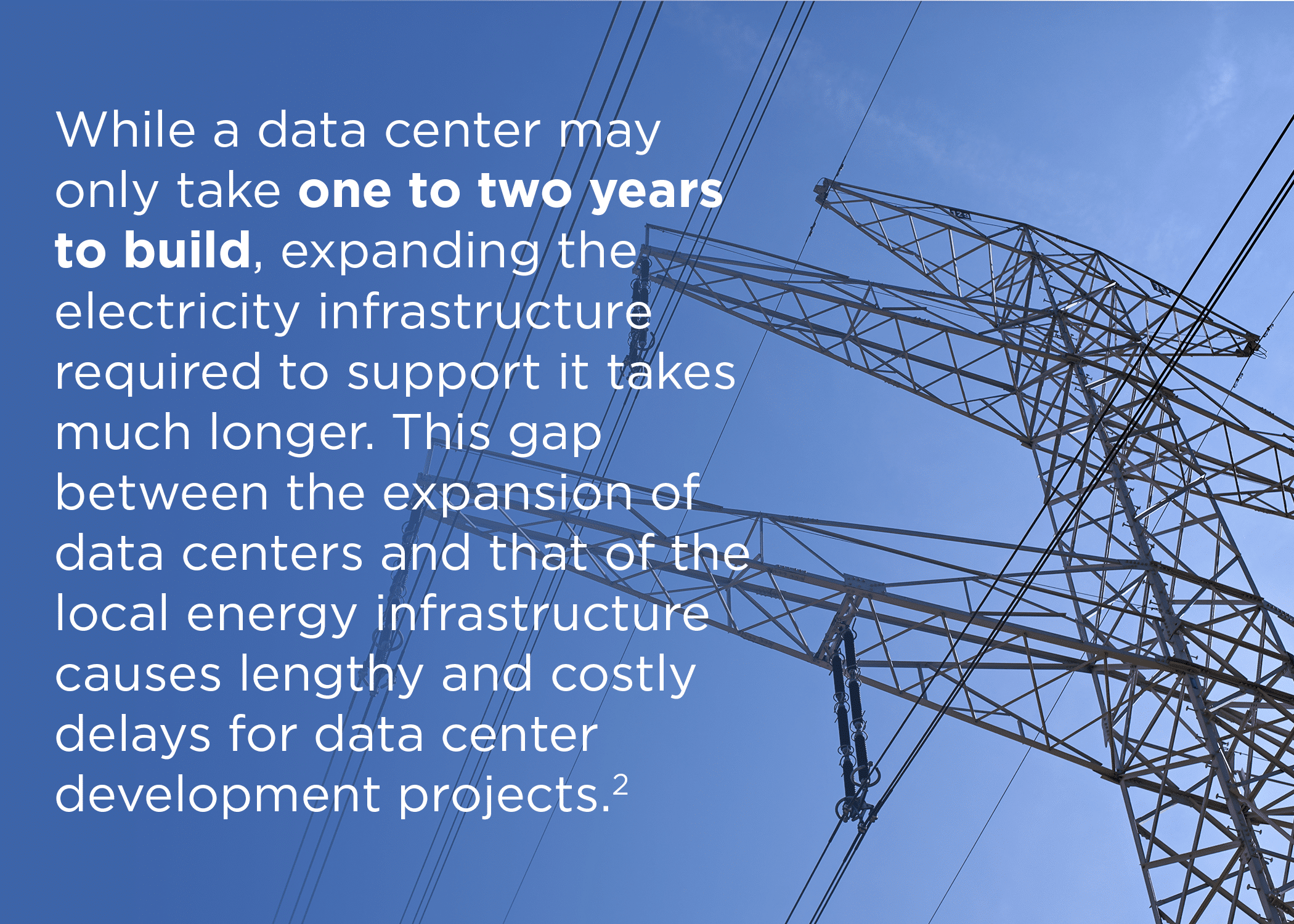
These challenges are compounded by the realities of execution across remote and distributed sites. Many corporate data center offices are not located near the construction locations themselves, making it difficult for headquarters to maintain accurate visibility into on-site progress. This causes site-level information to move through fragmented reporting channels, which can further delay escalation and weaken decision-making.
Often, underdeveloped project controls are the overlooked culprit. Many organizations struggle to mature their project controls at the same pace as portfolio growth. Despite having capable project managers at the site level, a lack of integrated controls, consistent data, and clear reporting standards prevents portfolio leadership from having access to cost forecasts, schedule health, risk exposure, and delivery performance.
This capability also improves the throughput of vendor approvals related to energy infrastructure and contributes to better utility provider relationships. When the primary cause of delays is energy infrastructure, this kind of efficiency within the organization and their ability to mitigate risks is crucial.
In a market where AI demand is rising faster than data center developers and their utility ecosystems are prepared to handle, success for these organizations depends on linking global portfolio governance, lean operational scalability, and mature project controls into one disciplined execution model.
Strategic capabilities to overcome key industry challenges
1. Build a robust global portfolio management framework
To scale data center development across a global footprint, companies need a portfolio management framework that can coordinate execution across countries, time zones, regulatory environments, and regional delivery capabilities. Without this structure, each build project can quickly become its own operating model, with different reporting practices, approval timelines, risk thresholds, and interpretations of progress. A robust framework connects strategic priorities to project-level execution by establishing centralized governance, clear decision rights, and consistent portfolio-level visibility across regions.
What most organizations are missing to achieve this is consistent visibility into cost and schedule performance, as well as risk mitigation and resource constraints so that executives can compare projects on a like-for-like basis and intervene before issues compound. This is especially important when local constraints vary significantly. Therefore, consistent reporting means translating regional complexity into a common executive view that supports faster, better-informed decisions.
To build a robust global portfolio management framework, data center developers should centralize governance, standardize reporting, and create a single source of truth for portfolio performance. This framework should connect regional execution to global decision-making, allowing leaders to compare project health, prioritize resources, manage regulatory and supply chain constraints, and intervene before risks compound.
The most effective frameworks combine global consistency with local flexibility, giving organizations the structure needed to scale while still adapting to country-specific regulations, time zones, market conditions, and delivery capabilities.
Tips from your project portfolio manager:
As organizations expand their global data center footprint to support increasing AI demands, managing risks effectively becomes critical to ensuring long-term sustainability. Even well-established organizations face risks when expanding their data centers globally. However, a strong risk management strategy isn’t just about preventing disasters; it’s about setting up the framework for long-term success.
How to prevent risks in a growing global portfolio:
- Standardize risk governance processes so that risks are identified, assessed, escalated, and resolved consistently across every build project.
- Use predictive dashboards to monitor lease milestones, construction progress, compliance gaps, and emerging delivery risks in real time across all regions.
- Centralize security and compliance tracking to keep pace with evolving requirements for global and local data privacy, operations, and regulation.
- Manage owned and leased facilities as one portfolio by aligning real estate, IT, compliance, and operations teams around shared readiness criteria.
- Connect risk mitigation to business strategy so that near-term decisions support long-term growth, resilience, and operational continuity.
2. Design for operational scalability through lean processes
Operational scalability is the ability to expand a global data center development portfolio at an increasing rate while maintaining control, visibility, and consistency. This type of expansion depends on efficient processes, centralized data with targeted automation, and disciplined governance that allow teams to deliver more projects without sacrificing cost, schedule, compliance, or quality outcomes...
- Vincent, M. (2025, May 12), Facing the Post-AI Energy Crunch, Data Center Frontier
- IEA (2025), Energy and AI, IEA, Paris, Licence: CC BY 4.0